
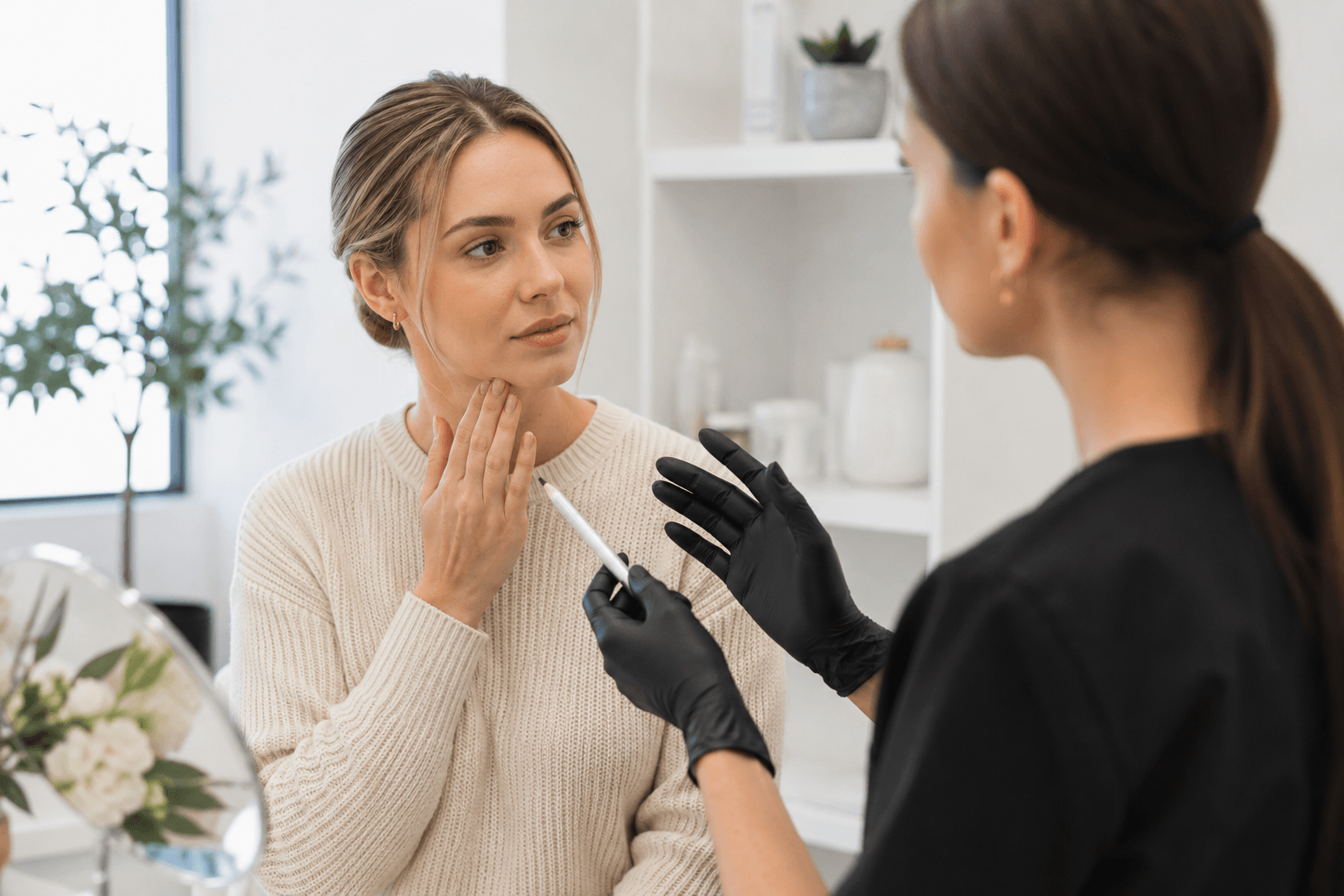
At What Age Should You Start Fillers?
Updated June 2026
When people hear the word fillers, they often assume they're only for mature skin or significant signs of aging. In reality, dermal fillers have evolved far beyond the traditional idea of simply "filling wrinkles." Today, fillers are commonly used to restore volume, enhance facial harmony, support collagen production, and even help maintain youthful features before deeper signs of aging develop.
One of the most common questions aesthetic providers hear is: "What age should I start fillers?" The answer is not as simple as choosing a number. The ideal time depends on your facial anatomy, genetics, lifestyle, aesthetic goals, and how your skin changes over time.
For patients exploring fillers in Pinedale, understanding how fillers fit into different stages of life can help you make a more informed decision. Whether you're in your 20s, 30s, 40s, or beyond, the goal should never be to chase trends. Instead, the focus should be on achieving balanced, natural-looking results that enhance your unique features.
Is There an Ideal Age for Fillers?
There is no universal "right age" to start fillers.
Facial aging does not happen according to a calendar. Some individuals begin noticing volume loss in their late 20s, while others maintain youthful facial contours well into their 40s. Factors such as genetics, sun exposure, stress, smoking, nutrition, and overall skin health all influence how quickly visible aging occurs.
Rather than focusing solely on age, aesthetic providers evaluate:
- Facial volume loss
- Skin quality
- Bone structure changes
- Expression lines
- Overall facial balance
- Personal aesthetic goals
The best candidates for fillers are those seeking subtle enhancement or restoration rather than dramatic transformation.
Many patients in Pinedale, WY choose fillers because they want to look refreshed, rested, and naturally rejuvenated without appearing overdone.
Why Do Some Patients Start in Their 20s?
Fillers have become increasingly popular among younger adults, but not always for anti-aging purposes.
Patients in their 20s often use fillers to enhance natural facial features such as:
- Lips
- Chin projection
- Jawline definition
- Under-eye hollows
- Cheek contours
At this age, treatment is typically focused on facial balancing rather than correcting age-related volume loss.
Another reason younger patients explore fillers is prevention. While fillers do not stop aging, maintaining facial support in strategic areas may help preserve youthful proportions over time.
That said, moderation is essential. The best results are usually subtle and tailored to the individual. Overfilling at a young age can create an unnatural appearance that many patients later regret.
How Do Fillers Differ in Your 30s and 40s?
The 30s and 40s are often when patients begin noticing more significant changes in facial structure and skin quality.
Collagen production gradually declines, facial fat pads begin shifting, and bone remodeling subtly alters facial contours. These changes can contribute to:
- Flattened cheeks
- Nasolabial folds
- Marionette lines
- Hollow temples
- Thinning lips
- Under-eye volume loss
During this stage, fillers often serve a restorative role.
Rather than simply adding volume, treatment focuses on rebuilding facial support and restoring youthful proportions. Strategic placement can create a refreshed appearance without making it obvious that treatment has been performed.
Many patients combine fillers with complementary skin rejuvenation treatments. Procedures such as Microneedling, RF Microneedling, PRP Therapy, Chemical Peel treatments, Facials, and Laser Skin Resurfacing can improve skin texture and quality while fillers address volume concerns.
The combination approach often produces more comprehensive and natural-looking results because both the skin and underlying facial structure are being treated.
What Happens If You Wait Too Long?
A common misconception is that waiting until aging becomes severe will produce the most dramatic results.
In reality, treating concerns earlier often allows for more conservative treatment and more natural outcomes.
When significant volume loss develops over many years, restoring facial support may require a larger amount of product and a more comprehensive treatment plan.
This does not mean someone is ever "too old" for fillers. Patients in their 50s, 60s, and beyond can still achieve beautiful improvements. However, the approach may differ compared to someone addressing earlier signs of aging.
The goal is not to erase every wrinkle or recreate a younger face. Instead, modern aesthetic medicine focuses on restoring balance and helping patients look like the best version of themselves.
For some patients, collagen-stimulating injectables such as Radiesse or Sculptra may be considered because they encourage the body's natural collagen production over time. These options are often discussed when addressing age-related volume loss and skin support.
Can Fillers Be Preventative?
The idea of preventative fillers has generated considerable interest in recent years.
Preventative treatment does not mean receiving fillers simply because of your age. Instead, it involves carefully selected treatments designed to maintain facial support before more significant volume loss develops.
Some providers use fillers strategically to:
- Preserve facial contours
- Support areas prone to early volume loss
- Maintain facial symmetry
- Reduce the appearance of developing folds
Preventative treatment works best when it is subtle and personalized.
It is important to understand that fillers are only one piece of a comprehensive prevention strategy. Healthy skin maintenance often includes:
- Consistent sunscreen use
- Medical-grade skincare
- Professional facials
- Chemical peels
- Microneedling treatments
- Healthy lifestyle habits
Patients who prioritize both skin health and facial structure often experience longer-lasting aesthetic improvements.
How Do You Know When You're Ready?
The best indicator that you may be ready for fillers is not your age. It is whether you have concerns that fillers can realistically address.
You may be a candidate if you notice:
- Loss of facial volume
- Hollow under-eyes
- Flattened cheeks
- Lip thinning
- Deepening facial folds
- Reduced facial balance
You may also be ready if you want subtle enhancement rather than dramatic change.
A thorough consultation should include an assessment of your facial anatomy, medical history, aesthetic goals, and overall treatment options.
Not every concern requires fillers. In some cases, skin-focused treatments may be a better solution. For example, patients dealing primarily with texture concerns, acne scars, pigmentation, or sun damage may benefit more from treatments such as Laser Skin Resurfacing, RF Microneedling, PRP Therapy, or Chemical Peel procedures.
The most effective treatment plans are individualized rather than based on age alone.
Understanding the Difference Between Fillers and Botox
Many people researching fillers also ask about Botox.
Although both are injectable treatments, they work differently.
Fillers restore volume and enhance facial contours, while Botox relaxes targeted muscles that create dynamic wrinkles.
Botox is commonly used for:
- Forehead lines
- Frown lines
- Crow's feet
One frequently searched question is: How long does Botox last?
For most patients, Botox results typically last between three and four months, although individual results vary based on metabolism, treatment area, and dosage.
Many patients combine Botox and fillers to address both volume loss and expression lines, creating a more comprehensive rejuvenation strategy.
Do Fillers Ruin Your Face?
Another common concern is: Do fillers ruin your face?
The simple answer is no, when performed appropriately by qualified medical professionals.
The negative results people sometimes see online are usually related to:
- Excessive product use
- Poor injection technique
- Inappropriate treatment planning
- Unrealistic aesthetic goals
Modern aesthetic medicine emphasizes conservative treatment and natural enhancement.
When fillers are selected carefully and placed strategically, they can restore balance, improve facial harmony, and support a refreshed appearance while preserving natural facial expressions.
The key is choosing experienced providers who prioritize precision, artistry, and individualized care.
Why Patients in Pinedale Are Choosing a Personalized Approach
The trend toward natural-looking results continues to grow among patients seeking fillers in Pinedale.
Rather than dramatic transformations, many individuals are looking for treatments that help them look rested, confident, and refreshed.
A personalized treatment plan considers:
- Facial anatomy
- Age-related changes
- Lifestyle
- Skin quality
- Long-term goals
Whether someone is considering fillers for the first time or exploring a broader medical aesthetics treatment plan that may include Facials, PRP Therapy, Vitamin Injection support, Wellness Treatment services, IV Therapy, or advanced skin rejuvenation procedures, the most successful outcomes come from individualized care.
Aging Gracefully, Not Chasing Trends
The question isn't really "What age should I start fillers?"
The better question is: "What does my face need right now?"
For some people, that answer may come in their late 20s. For others, it may not happen until their 40s or later.
The most effective filler treatments are never about looking like someone else. They are about enhancing your natural beauty, preserving facial balance, and helping you feel confident in every stage of life.
When approached thoughtfully and performed by experienced professionals, fillers can be a powerful tool for maintaining a refreshed, natural appearance that evolves with you over time.
Frequently Asked Questions
What is the best age to start fillers?
There is no single best age. The ideal time depends on your facial anatomy, genetics, aesthetic goals, and the presence of volume loss or facial imbalance. Many patients begin exploring fillers in their late 20s through 40s, but treatment should always be individualized.
Are fillers better than Botox?
Fillers and Botox serve different purposes. Fillers restore volume and contour, while Botox relaxes muscles that cause expression lines. Many patients achieve optimal results by combining both treatments as part of a comprehensive medical aesthetics plan.
How long do dermal fillers last?
Most fillers last between six months and two years depending on the product used, treatment area, metabolism, and individual lifestyle factors. Your provider can recommend the most appropriate option based on your goals.
Can fillers help prevent aging?
Fillers may help maintain facial support and youthful contours when used strategically. However, prevention also involves healthy skincare habits, sun protection, Microneedling, RF Microneedling, and other skin rejuvenation treatments.
Do fillers look natural?
Yes. Modern filler treatments focus on subtle enhancement and facial harmony. When performed by experienced professionals, results should look refreshed and balanced rather than obvious or overdone.
Are fillers popular in Pinedale, WY?
Interest in fillers in Pinedale continues to grow as more patients seek personalized, natural-looking aesthetic treatments. Many individuals are choosing minimally invasive options that support confidence while maintaining their unique appearance.