
What High-Altitude Sun Is Really Doing to Your Skin in Pinedale, Wyoming
If your skin feels drier, more sun-damaged, or older than you expected by your late thirties or forties, elevation is probably part of the story. Pinedale sits over a mile above sea level, and that thinner atmosphere lets a lot more UV radiation reach your skin than it would somewhere flat. Combine that with dry wind, long winters, and bright reflective snow, and you have a genuinely tougher environment for skin than most of the country deals with. This is exactly why medical aesthetics looks a little different when you live here compared to, say, a coastal city.
This article walks through why altitude accelerates visible aging, what that actually looks like on the skin, and which treatments make the most sense for correcting and preventing that damage.
The Science of Sun at Elevation
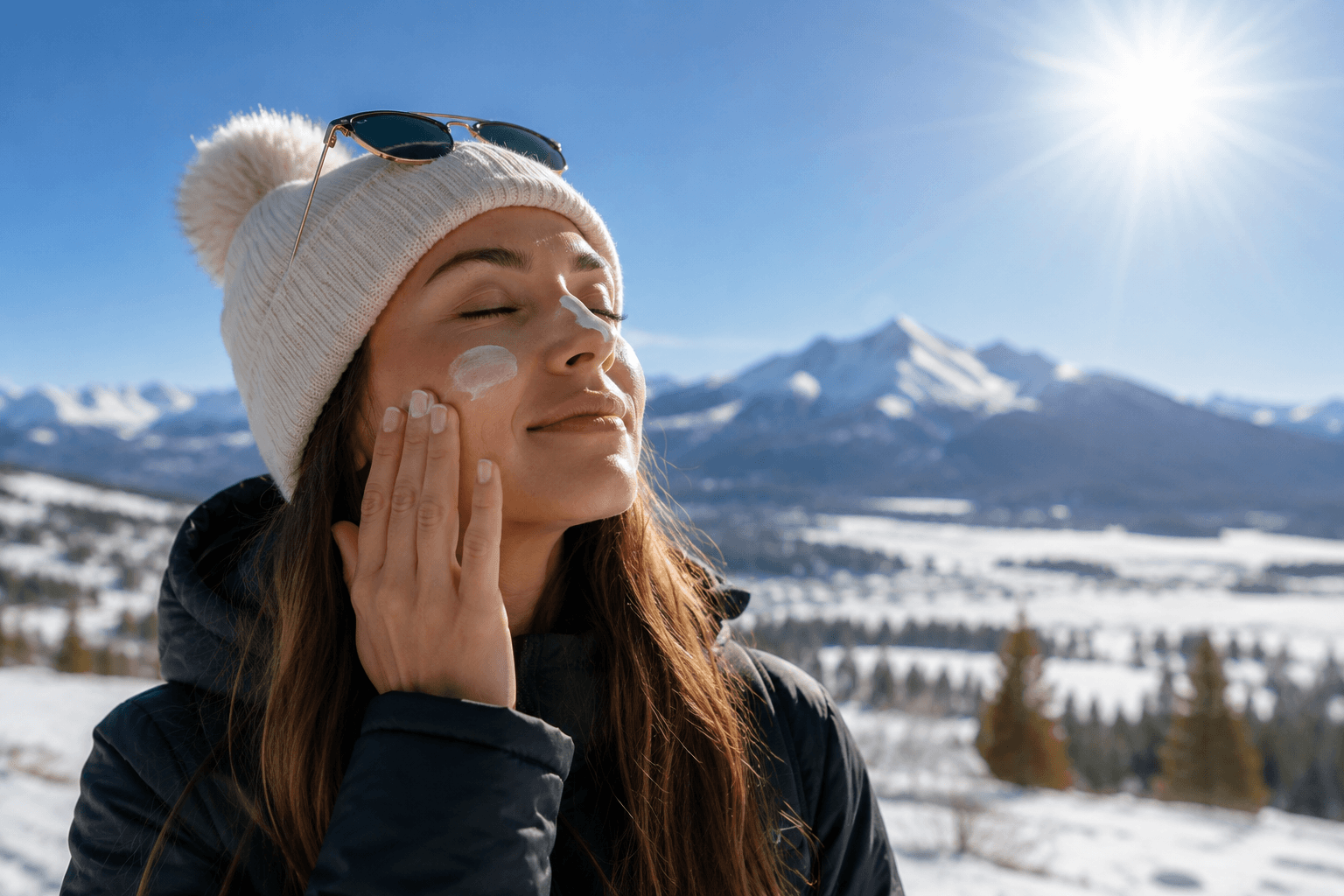
UV intensity increases as you gain elevation, since there is less atmosphere to filter it out. On top of that baseline increase, fresh snow can reflect the majority of UV hitting it back up toward your face, which means a bright, cold February afternoon on the mountain can expose your skin to nearly as much UV as a summer day at lower elevation. Most people associate sun damage with July, but in a place like Pinedale, it is a year-round concern.
The result over years is a familiar pattern: fine lines that show up earlier than expected, uneven pigmentation, broken capillaries, and a loss of the plumpness and bounce skin has when it is younger. None of this is really about age so much as cumulative environmental exposure.
Matching the Damage to the Right Treatment
Correcting Sun Damage and Uneven Tone
For the brown spots, redness, and uneven texture that come with years of sun exposure, chemical peels offer a way to resurface the top layers of skin and encourage fresher, more even tone underneath. For deeper resurfacing, laser skin resurfacing targets damage at a level that topical products alone cannot reach.
Restoring Volume and Softening Lines
As skin loses collagen from years of sun and wind exposure, it can start to look thinner and less supported. Dermal fillers and biofiller treatments restore lost volume in areas like the cheeks and around the mouth, while neurotoxins soften the fine lines that come from years of squinting into bright sun. For those wanting a more gradual, collagen-building approach rather than immediate volume, biostimulators like Sculptra work over several months to rebuild the skin's own structural support.
Skin Texture, Pores, and Tone
Wind and dryness can leave pores looking more prominent and texture looking rougher over time. Between skin boosters for hydration from within and RF-based treatments for tightening, there are options depending on whether the main concern is dryness, texture, or a combination of both.
Vascular and Redness Concerns
Wind and cold exposure can also aggravate visible redness and broken capillaries, something covered in more depth on the redness and vascular issues concern page, with treatment options like laser vein therapy available for more stubborn cases.
Prevention Matters as Much as Correction
Medical aesthetics is not only about undoing existing damage. Given how intense UV exposure is here, daily sun protection is arguably the single most impactful thing a Pinedale resident can do for long-term skin health. That means broad spectrum SPF every day, even in winter, even on cloudy days, since UV passes through cloud cover more than most people assume. Pairing consistent sun protection with periodic professional treatment is a far more effective long-term strategy than either one alone.
Choosing the Right Starting Point
Everyone's skin history is different, and what someone needs after twenty years of ranch work in full sun is not the same as what someone needs after a decade of desk work with occasional weekend hikes. A consultation is the best way to figure out whether your priority should be correcting existing sun damage, restoring lost volume, addressing texture, or some combination. The services page and concerns section are good places to start narrowing down what matches your specific situation, and the sun damage and pigmentation page goes into more detail on that particular concern.
Updated this July, since summer is peak UV exposure season here and the best time to start a protective and corrective plan before another Pinedale winter of wind and snow glare arrives.
FAQs
Does living at high altitude really age skin faster? Yes, in a meaningful way. Increased UV exposure at elevation, combined with low humidity and wind, contributes to more visible sun damage and dryness over time compared to lower elevation climates.
What is the best medical aesthetics treatment for sun damage? It depends on severity. Mild uneven tone often responds well to chemical peels, while deeper damage or texture concerns may call for laser skin resurfacing. A consultation is the best way to determine which fits your skin.
Can medical aesthetics treatments help with wind-related dryness and redness? Yes. Hydration-focused options like skin boosters and treatments targeting visible vessels can both help, depending on which concern is more prominent for you.
Is sunscreen really necessary in winter at this elevation? Yes. Snow reflects a large percentage of UV back up toward the face, and elevation itself increases UV intensity year round, which makes winter sun protection just as important as summer protection here.
The Mountain Gets the Views, You Get the Wrinkles (Unless You Fight Back)
Pinedale's elevation gives you some of the best sky in the country, but it also asks your skin to work overtime every single day of the year. A thoughtful medical aesthetics plan, paired with real daily sun protection, is how you keep enjoying the view without the view showing up on your face first.