
Breakouts, Dark Spots, and Rough Patches All at Once? Here Is What Might Actually Be Going On
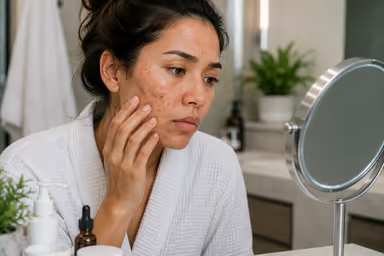
It is a strange but common pattern. Breakouts show up in one area, dark spots linger from old blemishes, and the overall texture of your skin feels rougher than it should, all happening at the same time rather than as separate problems. Once you understand how these concerns are connected, it makes a lot more sense why so many people find relief from a single, well-chosen treatment rather than juggling three different products for three different issues.
For clients in Pinedale, Wyoming, dealing with a combination of congestion, pigmentation, and rough texture is especially common, thanks to a mix of dry mountain air, strong high-altitude sun, and the skin barrier stress that comes with both. A chemical peel is one of the more efficient ways to address several of these concerns in a single treatment, and it has remained a staple in skincare for good reason.
What Is Actually Behind Breakouts, Spots, and Rough Texture
Acne and Congestion Share a Root Cause
Breakouts often start with a buildup of dead skin cells, oil, and bacteria trapped within a pore. Left untreated, this cycle tends to repeat itself, especially in areas where oil production runs higher. This is discussed in more detail on our acne and congestion page.
Dark Spots Are Often Leftover Damage
Post-inflammatory marks from old breakouts, along with sun-triggered pigmentation, both fall under the umbrella of uneven skin tone. Even after a blemish heals, the pigment left behind can linger for months without the right kind of exfoliation to help clear it. More on this is covered on our sun damage and pigmentation page.
Rough Texture Builds Up Over Time
When dead skin cells are not shed efficiently, they accumulate on the surface, leading to a rough, uneven feel and more visible pores. This is closely tied to the concerns outlined on our texture and large pores page.
Old Scarring Can Compound the Problem
For clients with a history of more significant breakouts, leftover scarring can make overall texture and tone concerns even more noticeable. This connects with our scars page as well.
Why Pinedale's Climate Plays a Role
The dry, high-altitude air in Pinedale can leave skin more prone to a compromised barrier, which paradoxically can make oily and congested skin worse, since skin often overproduces oil to compensate for moisture loss. At the same time, stronger UV exposure at elevation accelerates pigment changes, meaning residents often deal with congestion and pigmentation concerns showing up together more than people might expect in a place known for its cold winters.
What Is a Chemical Peel, and How Does It Work
A chemical peel uses a carefully formulated acid solution to remove the outermost layers of skin, encouraging faster cell turnover and revealing fresher, more even skin underneath. Different peel strengths and formulations target different concerns, from mild surface renewal to deeper resurfacing for more stubborn texture and pigmentation. At June Beauty Lab, our chemical peel treatments are customized based on your specific skin concerns and tolerance.
How a Chemical Peel Compares to Other Resurfacing Options
Compared to a salt facial, which relies on mechanical exfoliation and hydration infusion, a chemical peel works through controlled chemical exfoliation and can typically reach a bit deeper depending on the formulation. Compared to laser skin resurfacing, which uses light energy, a peel tends to be a gentler, more accessible starting point for many clients, particularly those newer to professional exfoliation treatments.
What Concerns Can a Chemical Peel Help With
Active Breakouts and Ongoing Congestion
Peels help clear the buildup contributing to clogged pores, which can reduce the frequency and severity of breakouts over time when combined with a consistent skincare routine.
Dark Spots and Uneven Tone
By accelerating cell turnover, peels help fade pigment irregularities more quickly than skin would clear them on its own, revealing more even-toned skin underneath.
Rough Texture and Visible Pores
Removing built-up dead skin smooths the surface and often makes pores appear smaller simply because they are no longer as clogged or stretched.
Mild Textural Scarring
Depending on the depth and type of peel, some clients notice gradual improvement in the appearance of shallow acne scars over a series of treatments.
Who Is a Good Candidate for a Chemical Peel
Most skin types can tolerate some form of chemical peel, though the right strength and formulation depends heavily on your skin's sensitivity, tone, and specific concerns. Clients dealing with active congestion, dullness, or early pigmentation changes tend to be especially good candidates, and a consultation helps determine whether a lighter or more intensive peel makes sense for your goals.
What to Expect During and After Treatment
Most peels involve a brief tingling or warming sensation during application. Depending on the strength of the peel, you might notice mild redness for a day, or visible flaking and peeling over several days for deeper formulations. Your provider will walk you through exactly what to expect and how to care for your skin during the healing process.
How Often Should You Get a Chemical Peel
Lighter peels are often done on a monthly basis as part of an ongoing skincare routine, while deeper peels are typically spaced further apart to allow full healing and results to show. Your provider can help build a schedule that matches your skin's needs and how much downtime you are comfortable with.
Building a Complete Skin Plan
For clients dealing with more than surface-level concerns, a chemical peel is often paired with other treatments such as microneedling with PRP or a salt facial for a more layered approach. You can explore our full skincare services category to see how these options work together.
Frequently Asked Questions
Will a chemical peel help clear up active acne? It can help reduce congestion and buildup that contributes to breakouts, though ongoing or severe acne often benefits from a broader treatment plan discussed with your provider.
How long does it take to see results from a chemical peel? Lighter peels often show a noticeable glow within a few days, while deeper concerns like pigmentation and texture typically improve gradually over several weeks and treatments.
Is there a lot of downtime after a chemical peel? It depends on the strength of the peel. Lighter peels usually involve minimal downtime, while deeper peels can involve several days of visible peeling.
Can a chemical peel help with dark spots from old acne? Yes, this is one of the more common reasons clients choose a peel, since it accelerates the skin's natural process of clearing leftover pigment.
Is a chemical peel safe for sensitive skin? Many peel formulations can be adjusted for sensitive skin, though a consultation is important to choose the right strength and ingredients for your specific skin.
Peeling Back the Layers to Reveal Better Skin
Breakouts, dark spots, and rough texture rarely show up as isolated problems, and treating them one at a time can feel like an uphill battle. A chemical peel offers a more efficient path forward, clearing away what is sitting on the surface and giving your skin the chance to rebuild itself smoother and more even.
Ready to see what a chemical peel could do for your skin? Contact June Beauty Lab to schedule a consultation, or visit our homepage to browse our full range of skincare services.