
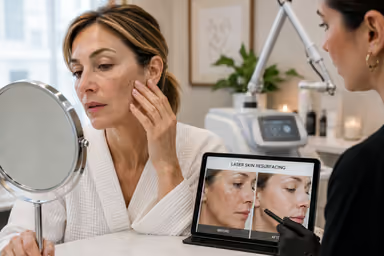
What Is Causing Those Sun Spots, Rough Patches, and Fine Lines? A Closer Look at Laser Skin Resurfacing
If you have started noticing brown spots that were not there a few years ago, patches of rough texture that will not smooth out no matter how you exfoliate, or fine lines settling in around your eyes and mouth, you are seeing the cumulative effect of years of sun exposure catching up with your skin. This is one of the most common reasons clients walk into a med spa, and it is rarely about any one bad sunburn. It is usually the slow buildup of everyday UV exposure over time.
For residents of Pinedale, Wyoming, this buildup tends to happen faster than average. Higher elevation means more direct and more intense UV exposure, even on cloudy or cold days, which is part of why sun damage and pigmentation concerns show up so often among clients in mountain communities. Laser skin resurfacing has become one of the most effective ways to address these concerns directly, and understanding what is actually happening in your skin makes it easier to see why.
What Causes Sun Damage and Uneven Pigmentation
How UV Exposure Triggers Pigment Changes
Sun exposure stimulates melanin production as a protective response, but repeated exposure over years can cause that pigment to distribute unevenly, leading to sunspots, dark patches, and an overall uneven skin tone. This process is covered in more detail on our sun damage and pigmentation page.
Why Wyoming's Altitude Makes This Worse
UV intensity increases with elevation, and Pinedale sits well above 7,000 feet. That means the same amount of time outdoors delivers noticeably more UV exposure than it would closer to sea level, which helps explain why sun damage concerns tend to show up earlier and more visibly for longtime Wyoming residents.
What Causes Rough Texture and Enlarged Pores
Years of sun exposure, combined with natural collagen decline, can thicken and roughen the outer layer of skin while also making pores appear larger and more visible. This is explored further on our texture and large pores page, and it often overlaps directly with sun damage concerns since both stem from similar underlying skin changes.
What Causes Fine Lines and Early Wrinkles
Collagen breakdown from UV exposure is one of the leading causes of premature fine lines, particularly around the eyes and mouth where skin is thinner. This connects closely with the concerns discussed on our fine lines and wrinkles page.
What Causes Acne Scars and Textural Scarring
For clients dealing with leftover scarring from past breakouts, sun exposure can actually make scars more noticeable by darkening the surrounding skin or emphasizing textural irregularities. More detail on this is available on our scars page.
What Is Laser Skin Resurfacing, and How Does It Work
Laser skin resurfacing uses focused light energy to remove damaged outer layers of skin and stimulate collagen production in the layers beneath. As the skin heals, it rebuilds with a smoother texture, more even pigment, and improved firmness. At June Beauty Lab, this is performed using our Spectrum laser system as part of our laser skin resurfacing service, which can be adjusted in intensity depending on your skin's specific needs and tolerance.
How Laser Skin Resurfacing Differs From Other Resurfacing Options
Compared to a chemical peel, which uses acids to encourage surface renewal, laser resurfacing uses light energy and can typically be adjusted to treat more precise depths within the skin. Compared to radiofrequency microneedling, which uses heat delivered through tiny needles, laser resurfacing works directly on the skin's surface and upper layers without needle penetration. Each approach has its place, and your provider can help determine which fits your specific combination of concerns.
What Concerns Can Laser Skin Resurfacing Help With
Sun Spots and Uneven Pigmentation
By targeting pigment directly and encouraging fresh skin cell turnover, laser resurfacing can noticeably fade sunspots and even out overall tone.
Rough Texture and Visible Pores
Removing the damaged outer layer of skin often leaves behind a smoother surface, with pores appearing less prominent as texture improves.
Fine Lines Around the Eyes and Mouth
Stimulating collagen production in these thinner-skinned areas can help soften the appearance of early fine lines over time.
Acne Scars and Surface Irregularities
Laser resurfacing can help improve the appearance of certain types of scarring by encouraging smoother skin regeneration in the treated area.
Who Is a Good Candidate for Laser Skin Resurfacing
Good candidates are typically dealing with visible sun damage, textural roughness, or fine lines and are looking for a more targeted treatment than topical skincare alone can provide. Because laser treatments can vary in intensity and depth, a consultation is especially important here to determine the right settings for your skin tone and specific concerns, since some deeper laser treatments carry more risk for certain skin types.
What to Expect During and After Treatment
Depending on the intensity of the treatment, downtime can range from minimal redness lasting a day or two to a more noticeable peeling and healing process over a week or so for deeper resurfacing. Your provider will walk you through exactly what to expect based on the specific settings used for your session, along with aftercare instructions to protect your skin while it heals.
How Many Sessions Will You Need
Some clients see meaningful improvement after a single deeper treatment, while others prefer a series of milder sessions spaced weeks apart to gradually build results with less downtime at each visit. This is very individual, and your provider can outline a realistic plan based on how much correction you are hoping to see.
Protecting Your Results After Treatment
Since laser resurfacing works by removing damaged skin and encouraging fresh cell growth, consistent sun protection afterward is essential, especially at Pinedale's elevation where UV exposure remains strong even in cooler months. Skipping this step can allow new pigmentation issues to develop before your results have a chance to fully settle in.
Frequently Asked Questions
Is laser skin resurfacing painful? Most clients describe a warm or prickling sensation during treatment rather than significant pain, and numbing options are typically used for deeper sessions.
How long do results from laser skin resurfacing last? Results can last a long time with proper sun protection, though ongoing sun exposure and natural aging will eventually lead to some gradual changes, similar to any skin treatment.
Can laser skin resurfacing help with acne scars? Yes, it is commonly used to help soften the appearance of certain types of acne scarring, particularly textural or shallow scars.
Is laser skin resurfacing safe for all skin tones? It depends on the specific laser and settings used. A consultation helps determine the safest and most effective approach for your skin tone and concerns.
How soon can I be back in the sun after treatment? Sun protection is important immediately after treatment and should continue diligently as your skin heals, which your provider will go over in detail during your appointment.
Turning Back the Sun's Handiwork, One Layer at a Time
Years of Wyoming sunshine leave their mark, but that mark does not have to be permanent. Laser skin resurfacing gives your skin the chance to rebuild itself with a smoother, more even foundation, addressing sun damage, texture, and fine lines at a level that skincare products alone usually cannot reach.
Curious if laser skin resurfacing is right for your skin? Contact June Beauty Lab to schedule a consultation, or visit our homepage to explore our full range of laser and skincare services.