
What Is Causing Your Skin to Sag, Scar, or Lose Its Bounce? RF Microneedling May Be Worth a Closer Look
Skin changes gradually enough that it can be hard to pinpoint exactly when things shifted. One year your skin bounces back after a smile or a squint, and a few years later it seems to sit a little looser, a little less defined along the jawline, with old acne scars looking more noticeable than they used to. This is one of the most common concerns clients bring to med spas, and it usually comes down to a mix of collagen loss, sun exposure, and the natural slowdown of skin cell turnover that happens with age.
For clients in Pinedale, Wyoming, high-altitude sun exposure adds an extra layer to this story, since UV intensity increases at elevation and can accelerate collagen breakdown over time. That is part of why RF microneedling has become such a popular option for addressing sagging skin, textural scarring, and fine lines all at once. Here is what is actually going on beneath the surface, and how this treatment works to address it.
What Causes Sagging Skin and Loss of Volume
Collagen and Elastin Naturally Decline With Age
Collagen and elastin are the proteins responsible for keeping skin firm and springy. Production slows steadily starting in your mid twenties, and that decline accelerates around menopause for many women. The result is skin that gradually loses its structure, showing up as sagging along the jawline, hollowing in the cheeks, and a general loss of definition. This is covered in more depth on our sagging and loss of volume page.
Sun Exposure Speeds Up the Process
Ultraviolet light breaks down collagen fibers faster than time alone would. Since UV intensity increases with elevation, Pinedale's high-altitude sunshine, even on cool days, can quietly accelerate this process for residents who spend a lot of time outdoors without daily sun protection.
What Causes Acne Scars and Uneven Texture
How Scarring Forms Beneath the Surface
Acne scars, especially the pitted or indented kind, form when inflammation damages the collagen structure supporting the skin during breakouts. Even after the acne itself clears, that structural damage can remain, leaving behind texture that regular skincare products struggle to smooth out. This is explored further on our scars and texture and large pores pages.
Fine Lines and Early Signs of Aging
Fine lines often show up first around the eyes and mouth, areas where skin is thinner and moves the most. These early changes are addressed in detail on our fine lines and wrinkles page, and they frequently overlap with the same collagen decline driving sagging and scarring concerns.
What Is RF Microneedling, Exactly
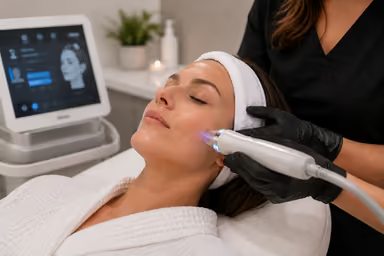
RF microneedling combines two established skin rejuvenation techniques into one treatment. Traditional microneedling uses fine needles to create controlled micro-injuries in the skin, which triggers the body's natural healing response and collagen production. Radiofrequency energy is then delivered through those same needles, heating the deeper layers of skin to further stimulate collagen and tighten tissue. At June Beauty Lab, this is performed using the Pixel8 RF device as part of our radiofrequency microneedling service.
How RF Microneedling Compares to Traditional Microneedling
Traditional microneedling, including our microneedling with PRP option, relies mainly on the needling itself and, in PRP treatments, the growth factors from your own blood plasma to encourage healing and renewal. Adding radiofrequency energy reaches deeper into the skin's structure, which tends to make RF microneedling a stronger option for firmness and tightening concerns, while traditional microneedling with PRP is often favored for overall skin quality and glow. We have written a full comparison on our blog if you want to dig deeper into RF microneedling versus traditional microneedling.
What Concerns Can RF Microneedling Help With
Sagging Skin and Loss of Firmness
By stimulating new collagen production at a deeper level, RF microneedling can help gradually tighten skin that has started to lose its structure, particularly along the jawline, cheeks, and neck.
Acne Scars and Textural Irregularities
The controlled micro-injury and remodeling process can help soften the appearance of pitted scars over a series of treatments, since it encourages the skin to rebuild healthier collagen in those areas.
Fine Lines and Early Wrinkles
Many clients notice smoother skin texture and reduced fine lines as collagen rebuilds, particularly with consistent treatment spacing.
Who Is a Good Candidate for RF Microneedling
RF microneedling tends to work well for clients dealing with mild to moderate sagging, acne scarring, or early textural changes who want a more targeted option than a standard facial but are not ready for surgical intervention. It is generally suitable across most skin tones and types, which is one advantage it has over some laser-based resurfacing treatments that carry more risk for deeper skin tones.
What to Expect During and After Treatment
A numbing cream is typically applied beforehand to keep the treatment comfortable. The procedure itself usually takes under an hour depending on the area treated. Afterward, skin often looks flushed for a day or two, similar to a mild sunburn, with results building gradually over the following weeks as collagen remodeling continues. Most clients see the full benefit after a series of sessions spaced several weeks apart.
How Many Sessions Does RF Microneedling Typically Take
Most treatment plans involve a series of three to four sessions spaced about four to six weeks apart, followed by periodic maintenance visits. Results tend to build progressively, so patience through the full series usually pays off compared to judging results after just one appointment.
RF Microneedling Alongside Other Injectable and Skin Options
For clients dealing with volume loss in addition to sagging, RF microneedling is sometimes paired with services like biostimulators or dermal filler for a more complete approach. Our team can walk you through the injectables and lasers and devices categories to help you build a plan suited to your specific skin.
Frequently Asked Questions
Is RF microneedling painful? Most clients describe mild discomfort rather than significant pain, especially with a numbing cream applied beforehand. Sensation varies by treatment area and individual tolerance.
How long does it take to see results from RF microneedling? Initial improvements in texture are often visible within a few weeks, while collagen remodeling and firmness continue to improve over two to three months following a full treatment series.
Can RF microneedling help with old acne scars? Yes, it is one of the more commonly recommended options for pitted or textural acne scarring, particularly when combined with a consistent treatment series.
How does RF microneedling compare to a chemical peel for scarring? RF microneedling works at a deeper level to rebuild collagen structure, while a chemical peel primarily addresses the surface layer. Many clients use both at different points depending on their goals.
Is there downtime after RF microneedling? Some redness and mild swelling are common for a day or two, but most clients return to normal activities quickly, making it a manageable option for busy schedules.
Turning Back the Clock, One Needle Prick at a Time
Sagging skin, stubborn scars, and early fine lines are frustrating precisely because they build up slowly and quietly. RF microneedling gives your skin a reason to rebuild its own structure rather than just masking the surface. If Pinedale's sun and altitude have been working against your skin's collagen for longer than you would like to admit, this might be the treatment that finally shifts things in your favor.
Wondering if RF microneedling fits your skin goals? Contact June Beauty Lab to schedule a consultation, or explore our homepage to see everything we offer.