
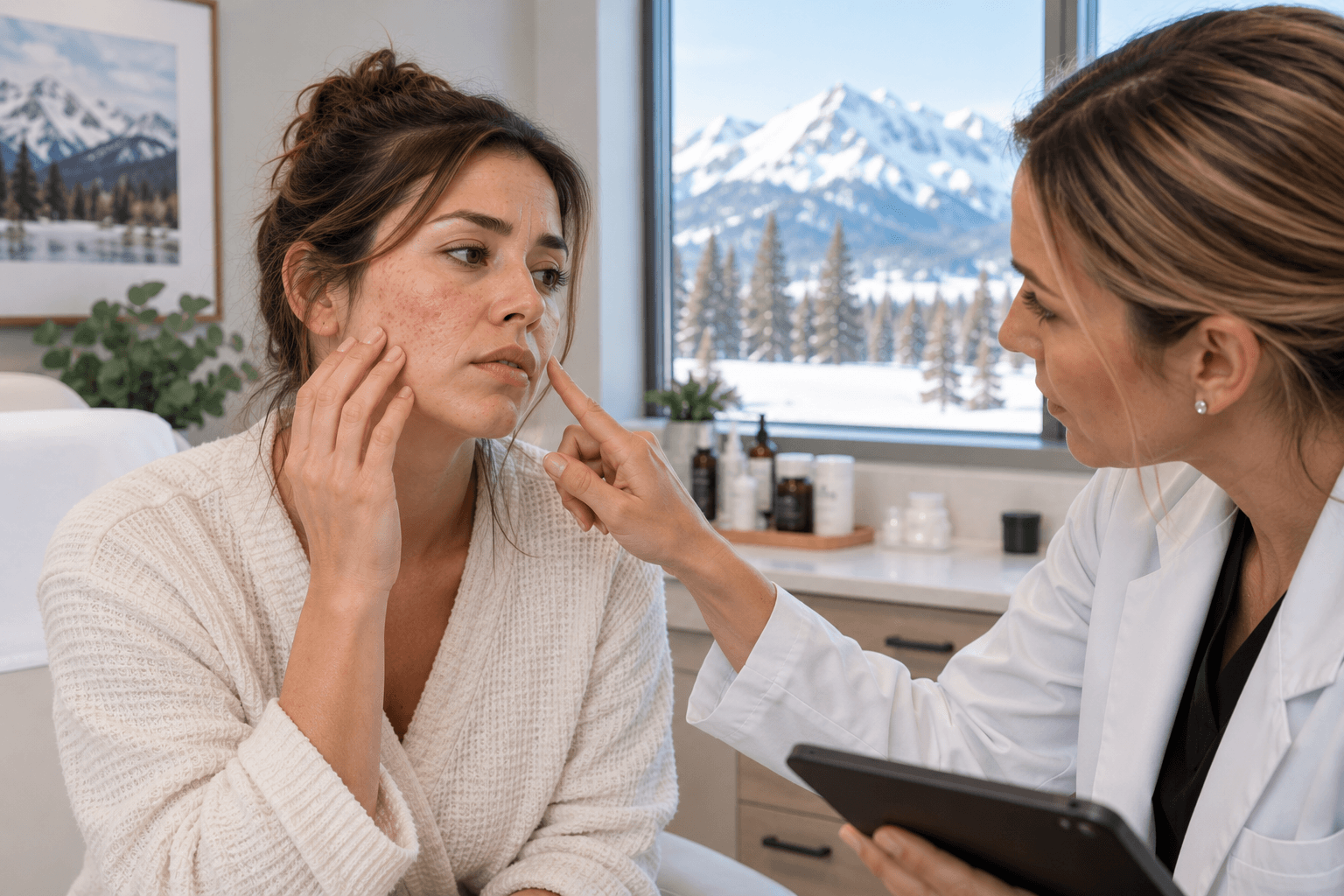
How Do You Know If a Skin Issue Needs a Doctor in Pinedale?
Skin is the body's largest organ, and it also happens to be the one most of us pay the closest attention to, mostly because we see it every single day. That means when something changes, a new patch of redness, persistent bumps, unusual dryness, or a rash that will not go away, it is natural to start searching for answers. The tricky part about skin disease as a search topic is that it covers a huge range of conditions, some purely cosmetic and temporary, others that genuinely need a physician's evaluation. Updated this August 2026, this guide is meant to help you understand the difference and know what your next step should be.
What Counts as a Skin Condition?
Broadly speaking, skin conditions range from very common, largely cosmetic concerns like acne and mild redness, to chronic inflammatory conditions like eczema and psoriasis, to less common but more serious concerns that require prompt medical evaluation. The wide range is exactly why it is so important to understand what you are actually looking at before deciding how to address it.
What are the most common skin conditions people search about?
Acne is one of the most searched skin concerns across all age groups, not just teenagers, and it can range from occasional breakouts to persistent cystic acne. Rosacea causes facial redness, visible blood vessels, and sometimes bumps, and tends to flare with triggers like heat, alcohol, or spicy food. Eczema, also called atopic dermatitis, causes dry, itchy, inflamed patches of skin, often in the creases of elbows and knees. Psoriasis causes thick, scaly patches and is considered an autoimmune condition. Each of these has a different underlying cause, which means each responds to a different kind of care.
What Are the Warning Signs a Skin Concern Needs a Doctor?
This is the most important section of this article, because getting this right matters more than anything else here.
When should a mole or spot be checked immediately?
Any mole or spot that is asymmetrical, has an irregular or blurred border, contains more than one color, is larger than a pencil eraser, or has changed in size, shape, or color over recent months should be evaluated by a dermatologist or physician promptly. These are the classic warning signs used in skin cancer screening, and they should never be assessed through a cosmetic lens.
What other symptoms warrant a doctor's visit?
A rash that spreads quickly, is accompanied by fever, blistering, or significant pain, or that does not respond to basic care within a reasonable time should be evaluated medically rather than treated cosmetically. Sudden, widespread hives, signs of infection like warmth, swelling, and pus, or any skin change alongside other symptoms like joint pain or fatigue also warrant a doctor's attention rather than a spa treatment.
What Is the Difference Between a Medical and a Cosmetic Approach to Skin?
This distinction is genuinely useful to understand. A dermatologist or physician diagnoses and treats underlying medical skin conditions, prescribes medication when appropriate, and monitors for anything concerning. A med spa, by contrast, focuses on the cosmetic appearance of skin once a medical diagnosis has been made or once a concern has been identified as non-medical, things like redness, texture, breakouts, and visible signs of aging.
This is exactly the role our team plays here in Pinedale. We are not a substitute for a dermatologist, and any new, changing, or concerning skin symptom should always be evaluated by a physician first. Where we can help is once a concern has been identified as cosmetic in nature, whether that is ongoing acne breakouts, visible facial redness, or the after-effects that certain skin conditions can leave behind.
How Can Cosmetic Treatments Support Common Skin Concerns?
Can facial redness be addressed cosmetically?
Persistent facial redness and visible small blood vessels, often associated with rosacea or general vascular sensitivity, can sometimes be softened cosmetically once any underlying medical component has been addressed by a physician. Our page on redness and vascular issues covers this in more depth, and treatments like IPL are commonly used to target visible redness and vessels once a client has been cleared for cosmetic treatment.
Can ongoing breakouts be managed cosmetically?
Acne that has been evaluated and is not requiring prescription medical management can often be supported through a dedicated program. Our Acne Bootcamp is designed specifically around this kind of ongoing breakout management, combined with professional guidance on a consistent home routine. You can learn more about how we approach breakouts on our acne and congestion page.
What about scars or marks left behind by a skin condition?
Many skin conditions, once resolved medically, leave behind textural or pigmentation changes, like acne scarring or lingering discoloration. These after-effects are something a cosmetic approach can genuinely help with. Treatments like microneedling with PRP or chemical peels are commonly used to improve skin texture and tone after the underlying condition itself has been addressed.
How Do You Decide Where to Start?
If you are dealing with a new or changing skin concern, the safest first step is always a medical evaluation, whether that is with your primary care provider or a dermatologist. If a concern has already been identified as cosmetic, or if you are dealing with something like ongoing mild breakouts, persistent redness, or marks left behind from a past condition, that is where a consultation with our team can help map out a plan.
Frequently Asked Questions
Can a med spa diagnose a skin condition? No. Diagnosing skin conditions is outside the scope of a med spa, and any new or concerning skin change should be evaluated by a physician or dermatologist first.
What skin concerns can be treated cosmetically? Once a concern has been identified as non-medical, cosmetic treatments can often help with things like visible redness, ongoing breakouts, texture, and lingering marks or discoloration.
Is rosacea the same as regular redness? Not necessarily. Rosacea is a diagnosable medical condition with specific patterns and triggers, while general redness or vascular sensitivity can have a variety of causes. A physician can help determine which applies to you.
Should I see a dermatologist before booking a cosmetic treatment? If you have a new, changing, or unexplained skin symptom, yes, a dermatologist should evaluate it first. If your concern is something you already understand and is purely cosmetic, a consultation with our team is a reasonable next step.
Skin Deep: Knowing When to Call In the Pros
Understanding your skin starts with knowing which questions to ask and who is best equipped to answer them. Some concerns need a physician's expertise, and getting that evaluation first is always the safer choice. Once a concern has been identified as cosmetic, our team here in Pinedale is glad to help you build a plan that improves how your skin looks and feels going forward.