
What Really Helps Acne Scars in Pinedale, Wyoming?
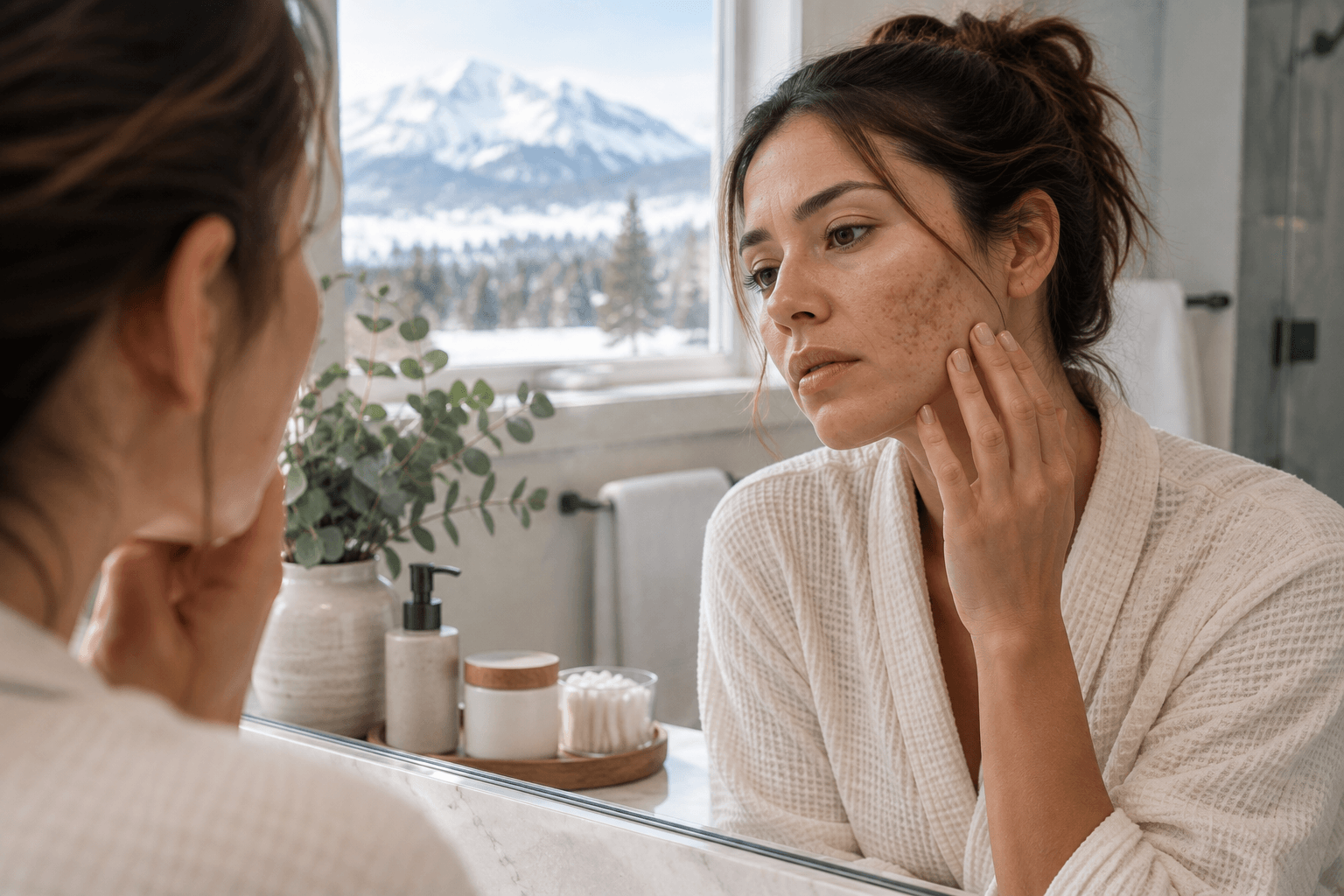
If you have ever caught your reflection in harsh bathroom lighting and noticed every dip, dent, or discolored mark left behind by old breakouts, you already know that acne can leave more than a memory. For a lot of people in Pinedale, the acne itself cleared up years ago, but the scars stuck around and became the thing they actually think about every morning. This article is updated this August 2026 with the latest thinking on acne scar treatment, so you can understand exactly what is happening under your skin and what options actually make a difference.
Acne scarring is one of the most common skin concerns dermatology providers see, yet it is also one of the most misunderstood. Not every mark is treated the same way, and not every "scar" is permanent in the way people assume. Understanding the type of scarring you have is the first step toward choosing a treatment that will genuinely help rather than waste your time and money.
Why Does Acne Leave Scars in the First Place?
Acne scars form when inflammation damages the deeper layers of the skin during a breakout. As the skin tries to repair itself, it either produces too much collagen or not enough. Too much collagen creates raised, thickened scars. Not enough collagen creates the sunken, pitted scars most people associate with acne. Cystic and nodular acne, the deep, painful kind that sits under the skin, tends to cause the most noticeable scarring because the inflammation reaches further into the tissue.
Genetics play a role too. Some people can pick at a small pimple and heal without a trace, while others develop a scar from a breakout that barely broke the surface. Skin tone, sun exposure during healing, and how quickly a blemish was treated all factor into the outcome as well.
What Are the Different Types of Acne Scars?
Are all acne scars the same?
No. Providers generally separate acne scars into a few categories, and understanding which one applies to your skin matters because it changes the recommended approach.
Ice pick scars are narrow, deep, and pointed, often described as looking like a small puncture. Boxcar scars are wider with defined edges and a flatter base, giving the skin a slightly pitted look. Rolling scars create a wave-like texture because of bands of tissue pulling the skin down from underneath. On the other end, some scars are raised, called hypertrophic or keloid scars, and they form when the skin overproduces collagen during healing.
Is discoloration the same as scarring?
Not exactly. Red or brown marks left behind after a pimple heals are usually post-inflammatory marks rather than true textural scars, and they tend to fade on their own over several months. True scarring involves a change in the skin's texture, not just its color, which is why textural scars often need a more targeted approach to see real improvement.
When Should You Start Treating Acne Scars?
Many people wait until their acne is fully under control before addressing the scars it left behind, and that is generally the right instinct. Treating active breakouts and scarring at the same time can be counterproductive, since new inflammation can undo progress. If you are still dealing with regular breakouts, it is worth exploring options like Acne Bootcamp first to calm active acne before shifting focus to scar texture.
Once breakouts are consistently under control, that is typically the right window to start addressing the scarring itself, especially if the marks are affecting your confidence or you have noticed them becoming more visible with age as natural collagen production slows down.
What Treatment Options Actually Improve Acne Scar Texture?
This is where the conversation moves from understanding the problem to doing something about it, and this is an area our med spa in Pinedale, Wyoming can genuinely help with.
Can microneedling improve acne scars?
Microneedling is one of the most well studied treatments for textural acne scarring. It works by creating controlled micro-injuries in the skin, which triggers the body's natural collagen and elastin production. Our microneedling with PRP combines this process with platelet-rich plasma drawn from your own blood, which is rich in growth factors that support faster, more thorough healing. Many clients notice a gradual softening of rolling and boxcar scars over a series of sessions.
What about radiofrequency microneedling?
For scarring that is deeper or more stubborn, radiofrequency microneedling adds heat energy to the microneedling process. The added radiofrequency energy reaches deeper into the skin to remodel collagen more aggressively, which tends to make a noticeable difference for boxcar and rolling scars that have not responded well to other treatments.
Do chemical peels help with acne scars?
Chemical peels work differently. Rather than targeting deep tissue, they resurface the top layers of skin, which helps smooth shallow scarring and fade the post-inflammatory discoloration that often accompanies acne scars. Peels are frequently used alongside microneedling for a more complete approach to both texture and tone.
Is laser skin resurfacing an option?
Laser skin resurfacing uses focused light energy to remove damaged surface skin and stimulate collagen renewal beneath it. It is often considered for more established, textural scarring and can be a strong option once active acne is fully resolved.
Who Is a Good Candidate for Acne Scar Treatment?
Good candidates are generally people whose active acne is under control, since treating scars while breakouts continue can aggravate the skin. It also helps to have realistic expectations. Most in office treatments soften and improve scar appearance rather than erase it completely, and results build gradually over a series of sessions rather than overnight.
If your primary concern is uneven texture across the cheeks or jawline, it is also worth reading more about our approach to texture and large pores, since many of the same treatments address both concerns together.
What Can You Expect During Recovery?
Recovery depends on the treatment. Microneedling typically involves redness for a day or two, similar to a mild sunburn, with minimal downtime. Radiofrequency microneedling may involve slightly more swelling and redness for a few days. Chemical peels can cause flaking or peeling for several days depending on the strength of the peel. Your provider will walk you through exactly what to expect based on which treatment fits your skin.
How Many Sessions Does It Typically Take?
Acne scar treatment is rarely a one and done process. Because these treatments work by encouraging your skin to rebuild its own collagen, results appear gradually and typically require a series of sessions spaced several weeks apart. A personalized consultation is the best way to get a realistic sense of the timeline for your specific scarring.
Frequently Asked Questions
Can acne scars be completely removed? Most acne scar treatments significantly improve the appearance and texture of scarring rather than erasing it entirely. The goal of most acne scar treatment plans is smoother, more even looking skin rather than a total absence of any mark.
How long does it take to see results from acne scar treatment? Because treatments like microneedling and radiofrequency microneedling work by stimulating your own collagen, visible improvement usually builds over several weeks after each session, with the fullest results appearing after a completed series.
Does acne scar treatment hurt? Most clients describe a mild prickling or warming sensation rather than significant pain. Numbing options are typically used to keep treatments comfortable.
Can I treat acne scars if I still get occasional breakouts? Mild, occasional breakouts are usually manageable alongside scar treatment, but active, widespread acne is generally addressed first so inflammation does not interfere with healing.
The Real Glow Up: Smoother Skin Ahead
Acne scars can feel like a permanent reminder of a season of your life you would rather forget, but skin is more responsive than most people expect. Whether your scarring is shallow discoloration or deeper textural dents, there is a path forward, and it usually starts with understanding your specific skin before choosing a treatment. If you are ready to talk through your options, our team at June Beauty Lab is here to help you build a plan suited to your skin and your goals right here in Pinedale, Wyoming