
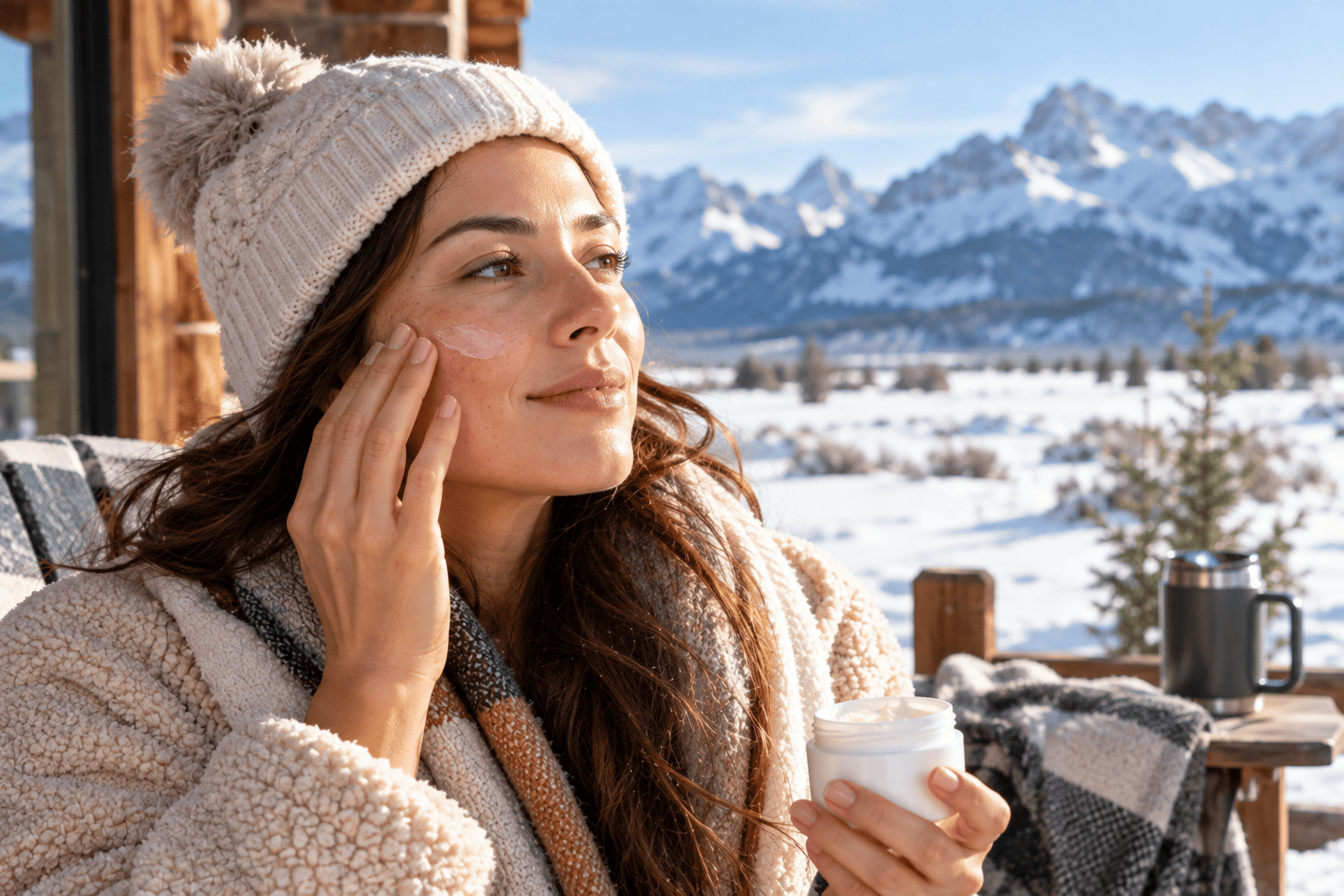
Why Is Skin So Dry in Pinedale, Wyoming, and What Helps?
If you moved to Pinedale from somewhere with more humidity, or even if you have lived here your whole life, there is a decent chance your skin feels tighter, flakier, or duller than you would like more often than not. Skin hydration is one of those topics that seems simple on the surface but gets a lot more interesting once you understand what high altitude living actually does to your skin barrier. Updated this August 2026, here is what is really going on and what genuinely helps.
Why Does High Altitude Dry Out Skin So Much?
Air at elevation holds less moisture than air at sea level, which means the atmosphere itself is pulling moisture away from your skin more aggressively throughout the day. Pinedale sits above seven thousand feet, and at that elevation, humidity levels are typically much lower than most people are used to, especially compared to more temperate, lower altitude climates. On top of that, wind exposure, which is common across Wyoming's open landscape, accelerates water loss from the skin's surface even further.
Cold winters bring dry indoor heating into the mix as well, which strips additional moisture from the air inside homes and workplaces. The result is a kind of year-round dehydration challenge that is simply more intense here than in most parts of the country.
What Does Dehydrated Skin Actually Look and Feel Like?
How is dehydrated skin different from dry skin?
This is a distinction worth understanding. Dry skin is a skin type, meaning it produces less natural oil overall. Dehydrated skin is a temporary condition where the skin lacks water, and it can happen to any skin type, including oily skin. Dehydrated skin often feels tight, looks dull or rough, and can show fine lines more prominently, since a lack of water content makes the skin's surface less plump and smooth.
What are common signs of dehydration in the skin?
Common signs include a dull, tired looking complexion, fine lines that seem more noticeable by the end of the day, a rough or flaky texture despite regular moisturizing, and skin that feels tight shortly after cleansing. Some people also notice their makeup sits unevenly or emphasizes texture that usually is not as visible.
What Causes Skin Dehydration Beyond Climate?
Beyond Pinedale's elevation and dry air, dehydration can be made worse by over-washing the skin, using products with harsh alcohol content, not drinking enough water throughout the day, excessive caffeine or alcohol intake, and sun exposure, which damages the skin barrier's ability to retain moisture. Read more on our dehydration and dullness page about how these factors interact with skin at elevation specifically.
Can Dehydrated Skin Be Prevented?
A consistent, gentle skincare routine that includes a hydrating cleanser and a moisturizer with humectant ingredients goes a long way, especially in a dry climate like Pinedale's. Using a humidifier indoors during colder months, drinking water consistently rather than only when thirsty, and applying daily sunscreen to protect the skin barrier all help maintain hydration levels over time. That said, topical products alone sometimes are not enough to fully address more established dehydration, which is where in office treatments can make a meaningful difference.
What Treatments Help Restore Skin Hydration?
Our med spa in Pinedale, Wyoming offers a few different approaches for restoring and maintaining deeper skin hydration.
What are skin boosters?
Skin boosters are injectable treatments that deliver hyaluronic acid directly into the skin, where it attracts and holds water from within. Unlike topical moisturizers, which sit on the surface, skin boosters work at a deeper level to improve hydration, elasticity, and overall skin quality over time. This makes them a popular option for people dealing with persistent dullness or fine lines related to dehydration rather than volume loss.
Can a salt facial help with hydration?
Our salt facial gently exfoliates the skin's surface, clearing away the buildup of dead skin cells that can prevent moisturizing products from absorbing properly. By refreshing the surface layer, the skin is better able to retain the hydration you apply afterward, making it a nice complement to an ongoing hydration plan.
Do chemical peels support hydration?
Lighter chemical peels can also help by removing built-up dead skin cells that block moisture retention, revealing smoother, more absorbent skin underneath. This is often paired with a strong hydrating routine afterward for the best results.
Who Should Consider In-Office Hydration Treatments?
If you have tried a consistent at-home routine and are still noticing dullness, tightness, or a rough texture, especially given the dry climate here, an in office treatment like skin boosters can address hydration at a level topical products simply cannot reach. This is also worth considering if you are noticing fine lines becoming more visible or your skin looking consistently tired despite adequate sleep and water intake.
How Long Do Hydration Treatments Last?
Skin boosters typically provide improved hydration and skin quality for several months, with results building gradually as the hyaluronic acid integrates with the skin. Many clients choose to repeat treatments periodically to maintain consistent hydration, particularly given how quickly the dry climate here can undo progress without upkeep.
Frequently Asked Questions
Why does my skin feel dry no matter how much I moisturize? This is a common sign of dehydration rather than dryness, meaning the skin lacks water content rather than oil. Topical moisturizers help but often are not enough on their own in a high altitude, low humidity climate like Pinedale's.
Does drinking more water actually improve skin hydration? Drinking enough water supports overall skin health, but topical hydration and treatments like skin boosters address the skin barrier directly, which tends to produce more noticeable results for visible dehydration.
How often should I get a hydrating facial treatment? This depends on your skin and the specific treatment, but many clients find that seasonal treatments, especially heading into Wyoming's dry winter months, help maintain consistent hydration year round.
Can dehydrated skin cause fine lines to look worse? Yes. Dehydrated skin lacks plumpness, which can make existing fine lines appear more pronounced, especially by the end of the day.
Quenched and Confirmed: Your Skin's New Baseline
Living at elevation in Pinedale means your skin is working harder than most to hold onto moisture, and that is not something a heavier moisturizer alone always fixes. Between a consistent home routine and treatments designed to hydrate skin from within, there is a real path to a more resilient, glowing complexion no matter what the Wyoming air is doing outside. Our team is happy to help you figure out exactly what your skin needs.